

A note to US-based customers: All Lit Up is pausing print orders to the USA until further notice. Read more
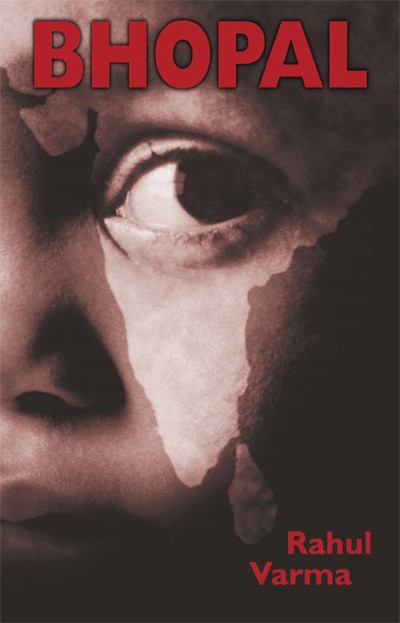

Bhopal
Bhopal, 1984. With the presence of the Carbide International pesticide factory, the city begins to claw its way out of endemic poverty. But what is to be made of the deformed babies born to women living near the factory? And the poison gas explosion that will leave three thousand people dead in just a few minutes—and will kill tens of thousands more in the years to come. How could have this happened?

“The characters who inhabit Rahul Varma’s play […] are all seeking the common good. But they are not guided by the same priorities or goals. To get what they want, they must negotiate with each other. Each time they do, something is lost. And these losses ultimately ad up to disaster. This play—a pitiless analysis of the stakes of globalization—explores how this happens.”
There are no awards found for this book.
You must be logged in to submit a review.
Details
Dimensions:
96 Pages
8.35in * 5.40in * .24in
.22lb
140.00gr
Published:
March 01, 2005
Publisher:
ISBN:
9780887548109
Featured In:
Language:
eng
Share


No author posts found.

